Tips and Guidelines for Group Camping on the A.T.
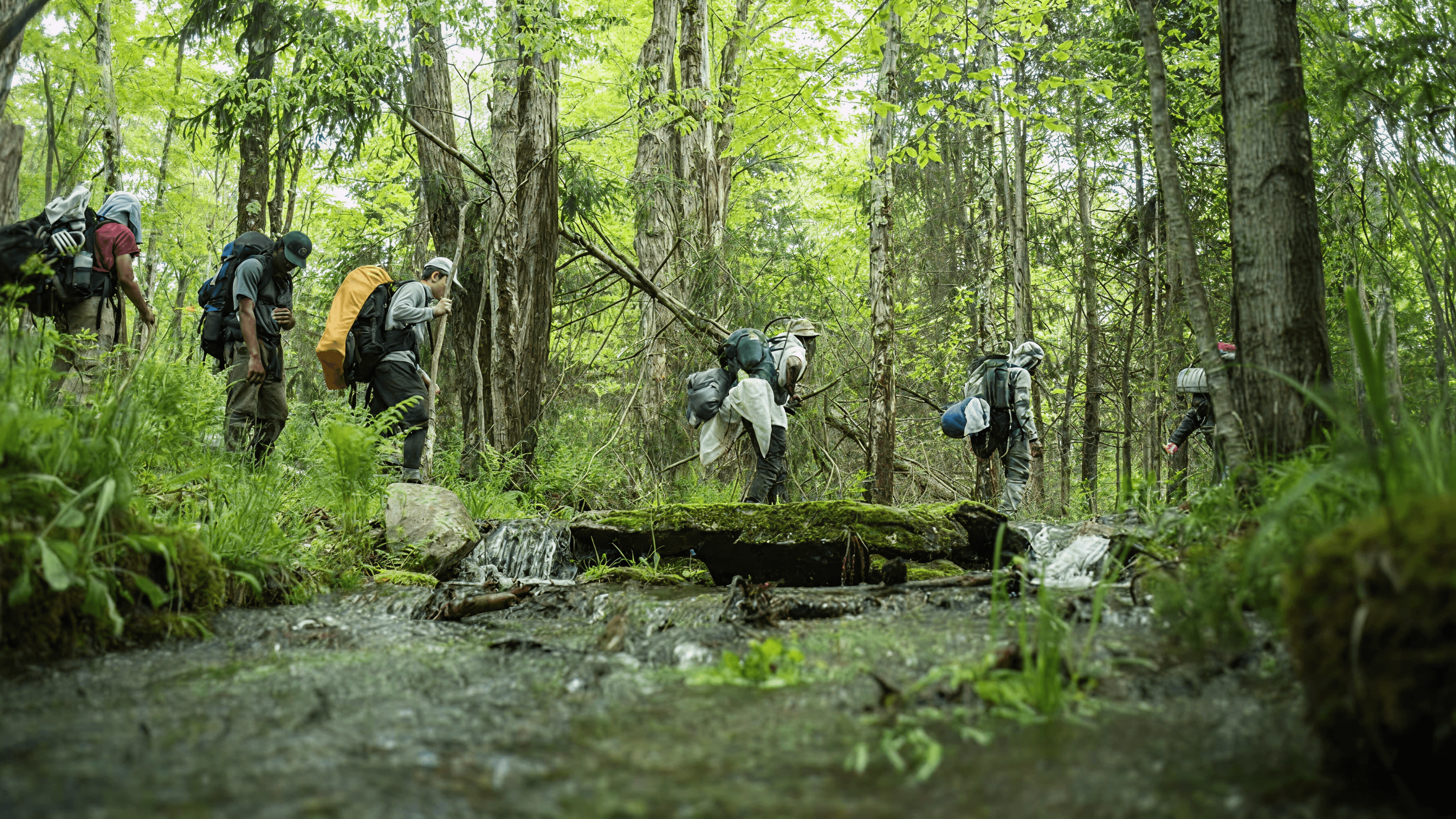
The Appalachian Trail Conservancy (ATC) considers a group on the A.T. to be six to 10 people traveling together, including leaders. 10 is the maximum size for overnight trips on the A.T. The limit for groups doing a day hike (not camping overnight) is 25 people including trip leaders.
If your group size exceeds the above recommendations, divide into groups of 10 or fewer, camp in separate locations, and register each of the groups separately.
If you’re unable to divide into groups of 10 or fewer, you may be able to find local, front country campgrounds to base out of and complete day hikes on the Trail instead.
Group size limits for both overnight and day hiking may be smaller in certain areas, such as in federally designated wilderness areas, so make sure to research any special regulations before headingout.
Your group should check and follow all local land management guidelines. You may need a permit from a state forest, park, or other agency depending on where you will be camping.
If you are not sure who the local land manager is for your planned trip on the A.T., please contact us at info@appalachiantrail.org!
Leave A.T. shelters for individual hikers. Groups should plan to use personal shelter systems (tents, tarps, hammocks, etc.) on their trip.
Take care to keep group members together. The group should plan to travel at the pace of the slowest member, wait for everyone at trail junctions, and assign one trip leader to act as the “sweep” — the person that always brings up the rear.
Guiding and other commercial activities are not considered acceptable use of the Trail. Reach out to the Appalachian National Scenic Trail (APPA) National Park office to determine if your planned activity is allowed on the A.T. and if it requires a permit.
Follow Leave No Trace Principles
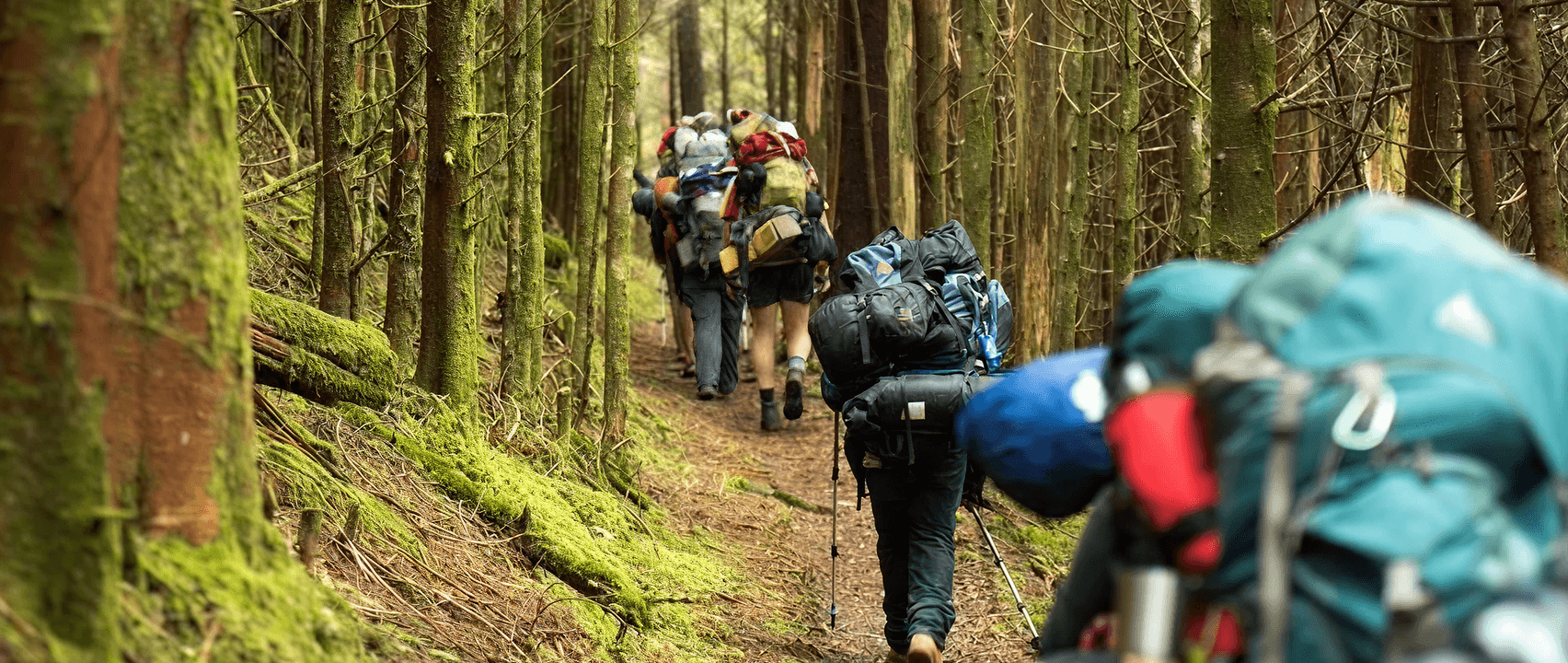
Groups can have a disproportionate physical impact on the A.T. environment, treadway, and facilities. Traveling and camping in small groups help reduce that impact.
Be mindful of keeping your equipment consolidated and voices quiet at shelters, campsites, rest spots, and vistas to help preserve the sense of solitude and remoteness for other hikers who encounter your group.
The ATC recommends all overnight hikers use bear canisters for the duration of their hikes. With careful meal planning, your group can utilize bear canisters to help keep bears on the A.T. safe. Learn more about bear canister lending programs at appalachiantrail.org/canisterlending.
Take extra care to dispose of dishwater properly, especially if you are required to use soap or bleach. Pack out all food waste and trash. Also emphasize to your group that only human waste and toilet paper can be put in privies — all trash, personal hygiene products, and wipes should be packed out.
Plan to camp only at designated campsites or near shelters. Many designated camping areas along the Trail have group-specific areas – use these when available.
Fires should only be made in designated locations based on local regulations.
Do not build any structures along the Trail or at campsites, such as survival huts or forts. Instead, leave the Trail and campsites in the same condition as you found them (or better).
Always pack the 10 essentials, including a first aid kit that can accommodate the needs of your group. Consider taking a Wilderness First Aid or First Responder course before leading a group hike.
Leave no Trace
Explore the core principles of Leave No Trace to minimize environmental impact.